Subscribe to our newsletter for more updates

10 Essential Tips for Photographing Coastal Landscapes in Low Visibility Conditions
Learn how to photograph confidently in rain, fog, wind, and low‑visibility conditions. This guide covers ten expert tips for shooting in adverse weather, protecting your gear, and creating atmospheric, compelling images.
Jazzrae Pierre
6 min read
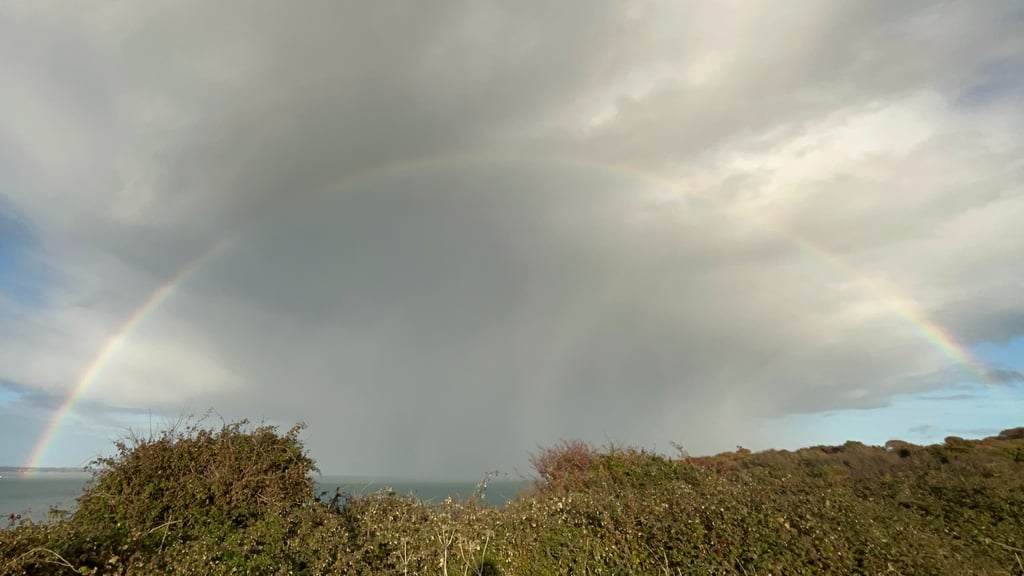
Photographing coastal landscapes can be a deeply rewarding experience; however, low visibility weather conditions often marked by fog, mist, overcast skies, or rain can present unique challenges for photographers. These conditions can obscure distant elements, flatten contrast, and reduce colour vibrancy, making it harder to capture the sweeping vistas associated with coastal photography. Yet, within these limitations lies an opportunity: low visibility can transform familiar coastlines into mysterious, ethereal scenes full of mood and atmosphere. The key is learning how to work with the weather rather than against it.
This guide offers ten essential tips to help you elevate your coastal photography when visibility is less than ideal, turning challenging conditions into creative advantages.
1. Choose the Right Time of Day
Low visibility often occurs during early mornings or late afternoons, when the air is cooler and moisture hangs close to the ground. These times of day naturally offer softer, more diffused light, which can be a gift in disguise. Instead of harsh shadows or blown-out highlights, you’ll find gentle illumination that wraps around subjects and enhances subtle textures.
Shooting during these hours also allows you to capture the transition between night and day, when colours shift delicately and the atmosphere feels particularly serene. Even in fog or heavy cloud cover, the direction and quality of light can dramatically influence your final image, so pay attention to how the landscape changes as the sun rises or sets behind the mist.
2. Utilize Long Exposure Techniques
Long exposure photography is especially powerful in low visibility environments, where movement and softness already dominate the scene. By using neutral density filters to reduce the amount of light entering your camera, you can slow your shutter speed and create beautifully smooth, dreamlike effects. Water becomes silky and reflective, clouds stretch into soft streaks, and even fog can appear more fluid and atmospheric.
These long exposures help introduce a sense of motion and depth that compensates for the lack of clarity in the distance. Experiment with different shutter speeds, from a few seconds to several minutes, to see how the mood of your image shifts with each variation. Use a wide-angle lens to encompass the vastness of the scene and a telephoto lens to isolate powerful elements like crashing waves or lightning strikes
3. Focus on Foreground Elements
When distant horizons fade into mist, foreground elements become essential anchors in your composition. Rocks, driftwood, seaweed, tidal pools, or even footprints in the sand can provide structure and visual interest. These elements help guide the viewer’s eye into the frame and create a sense of scale that might otherwise be lost in the haze.
In low visibility, the foreground often becomes the star of the image, so take time to explore the shoreline and look for shapes, patterns, and textures that stand out. A strong foreground can transform an otherwise muted scene into a compelling photograph with depth and intention.
4. Embrace Minimalism
Low visibility is a natural ally of minimalist photography. Fog and mist simplify the landscape by obscuring distractions and reducing visual clutter, allowing you to focus on a single subject or a small cluster of elements. This creates compositions that feel calm, contemplative, and emotionally resonant.
A lone rock emerging from the mist, a solitary lighthouse, or a simple curve of shoreline can become powerful focal points. Minimalism encourages you to think more intentionally about negative space, balance, and visual harmony, skills that will strengthen your photography in all conditions.
5. Play with Contrast and Texture
Even when visibility is low, contrast and texture can bring your images to life. The interplay between light and shadow becomes more subtle, but also more intriguing. Look for areas where textures, such as jagged rocks, rippling water, or wet sand - catch the available light. These details can create striking visual interest, especially when the background is softened by fog.
Low visibility often mutes colours, so leaning into tonal contrast and texture helps maintain depth and dimension. Consider shooting in black and white to further emphasize these qualities and create timeless, atmospheric images.
6. Adjust Your White Balance
Foggy and overcast conditions often introduce cool, blue-grey tones that may not reflect the mood you want to convey. Adjusting your white balance can dramatically shift the feel of your images. Warmer tones can add a sense of comfort and softness, while cooler tones can enhance the mysterious, moody atmosphere. Don’t be afraid to experiment with different settings.
Cloudy, shade, or even custom Kelvin adjustments to see how they influence the overall aesthetic. White balance is a powerful creative tool, and in low visibility, it becomes even more essential for shaping the emotional tone of your photographs.
7. Use a Tripod
A sturdy tripod is indispensable when shooting in low visibility, especially if you’re working with long exposures or slower shutter speeds. It ensures your images remain sharp and stable, even when the light is dim or the wind is strong. Coastal environments can be unpredictable, with gusts of wind and uneven terrain, so choose a tripod that can withstand the elements.
Using a tripod also encourages a more deliberate approach to composition, giving you time to refine your framing and consider how each element contributes to the final image. In challenging weather, stability is your best friend.
8. Capture the Mood
Low visibility naturally creates a moody, atmospheric quality that can be incredibly evocative. Instead of fighting the gloom, embrace it. Think about the story you want your image to tell: mystery, solitude, calm, or even tension. Use the fog, muted colours, and softened edges to convey emotion and narrative.
Mood-driven photography often resonates deeply with viewers because it invites them to feel something rather than simply observe. Pay attention to how the environment makes you feel, and let that guide your creative decisions.
9. Pay Attention to the Details
When sweeping vistas disappear into mist, the smaller details of the coastal landscape become even more captivating. Close-up shots of shells, barnacles, seaweed patterns, or water droplets on rocks can reveal the hidden beauty of the shoreline.
These intimate perspectives offer a refreshing contrast to wide-angle scenes and can tell a more personal, tactile story. Low visibility encourages you to slow down and explore the environment more thoughtfully, discovering textures and patterns you might otherwise overlook.
10. Post-Processing Can Enhance Your Images
Post-processing plays a crucial role in refining images captured in low visibility. Editing tools allow you to enhance contrast, clarity, and colour balance to bring out the elements that matter most.
Subtle adjustments can reveal details that were softened by fog or haze, while more creative edits can amplify the mood you experienced on location. Consider using selective adjustments to draw attention to key areas or to deepen the atmosphere. The goal is not to “fix” the weather, but to honour the scene while enhancing its emotional impact.
Final Thoughts
Photographing coastal landscapes in low visibility can be both challenging and deeply rewarding. These conditions push you to think differently, experiment more, and embrace the unexpected. By applying these ten tips, you open yourself up to new creative possibilities and develop a stronger connection to the environment you’re photographing. Low visibility doesn’t have to limit your work, in fact, it can inspire some of your most memorable and atmospheric images.
See below for recommended gear:
Essential Gear for Shooting in Adverse Weather
Tip: Pack some microfiber cloths to dry your gear if it gets wet. Use one to soak up the water and another to clean your lens and gear.
Recommended Gear: K&F CONCEPT Camera Backpacks for secure storage, and JJC Camera Rain Cover for camera protection.
SIRUI SQ75+VHS10 Carbon Fiber Video Tripod Kit
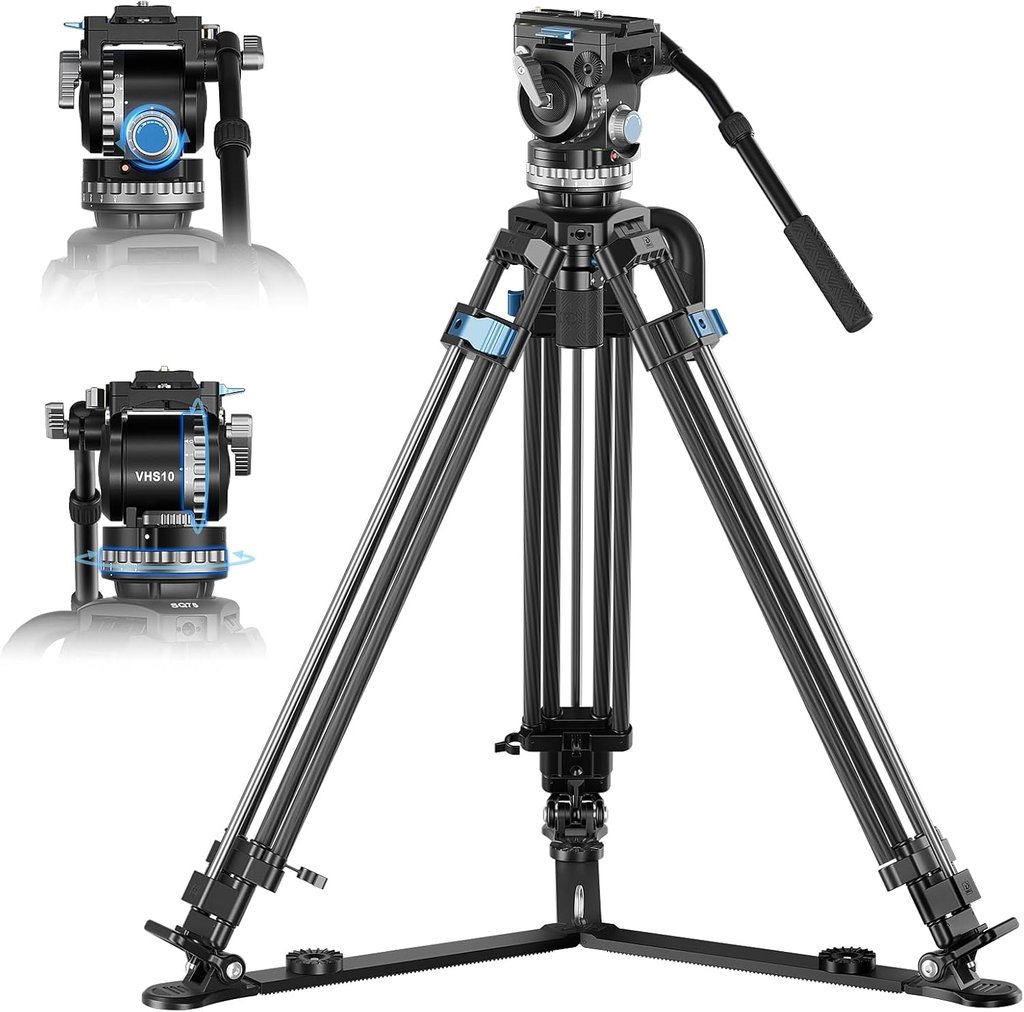
A higher‑end choice for those who prioritise exceptional craftsmanship. One of the most compact and impressively robust options available, delivering unrivalled stability in any environment.
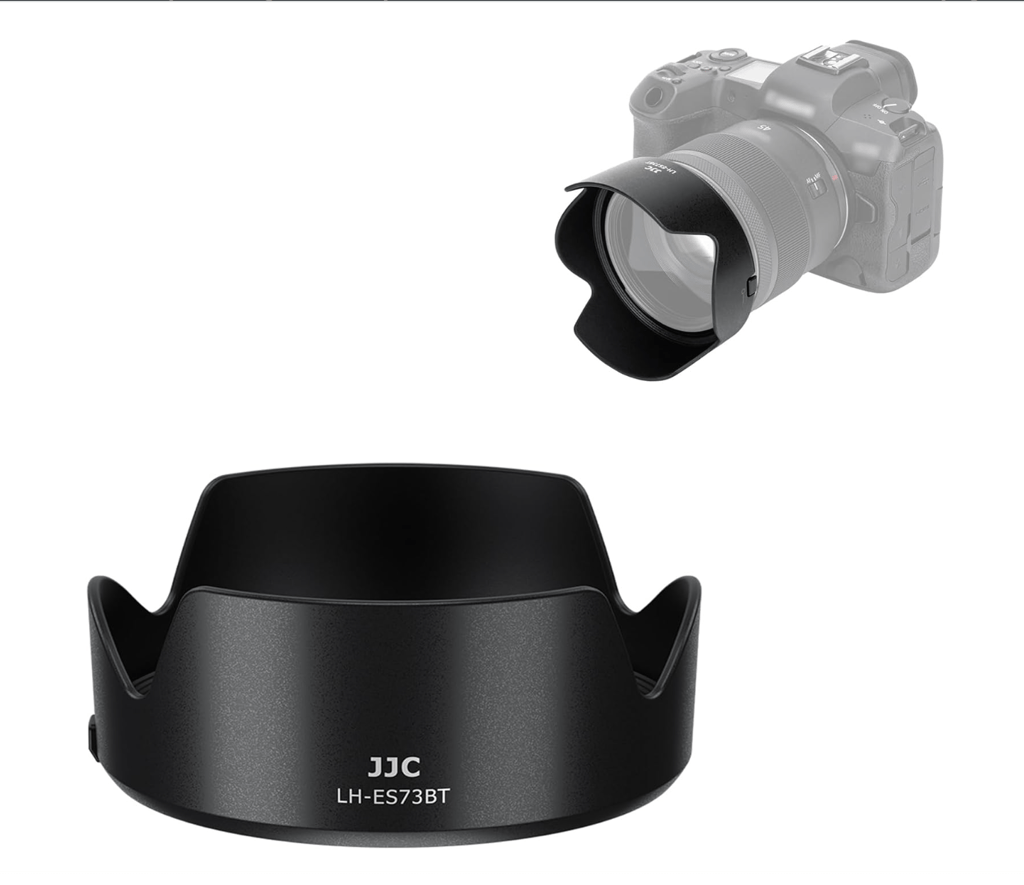
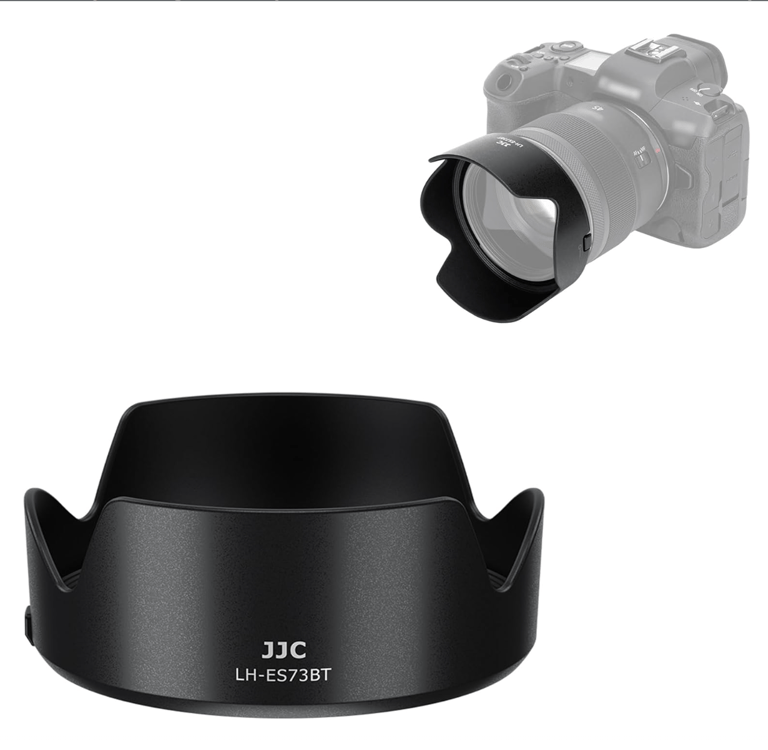
A high‑quality, budget‑friendly attachment designed to minimise unwanted light glare. Please ensure compatibility with your camera model before purchasing.
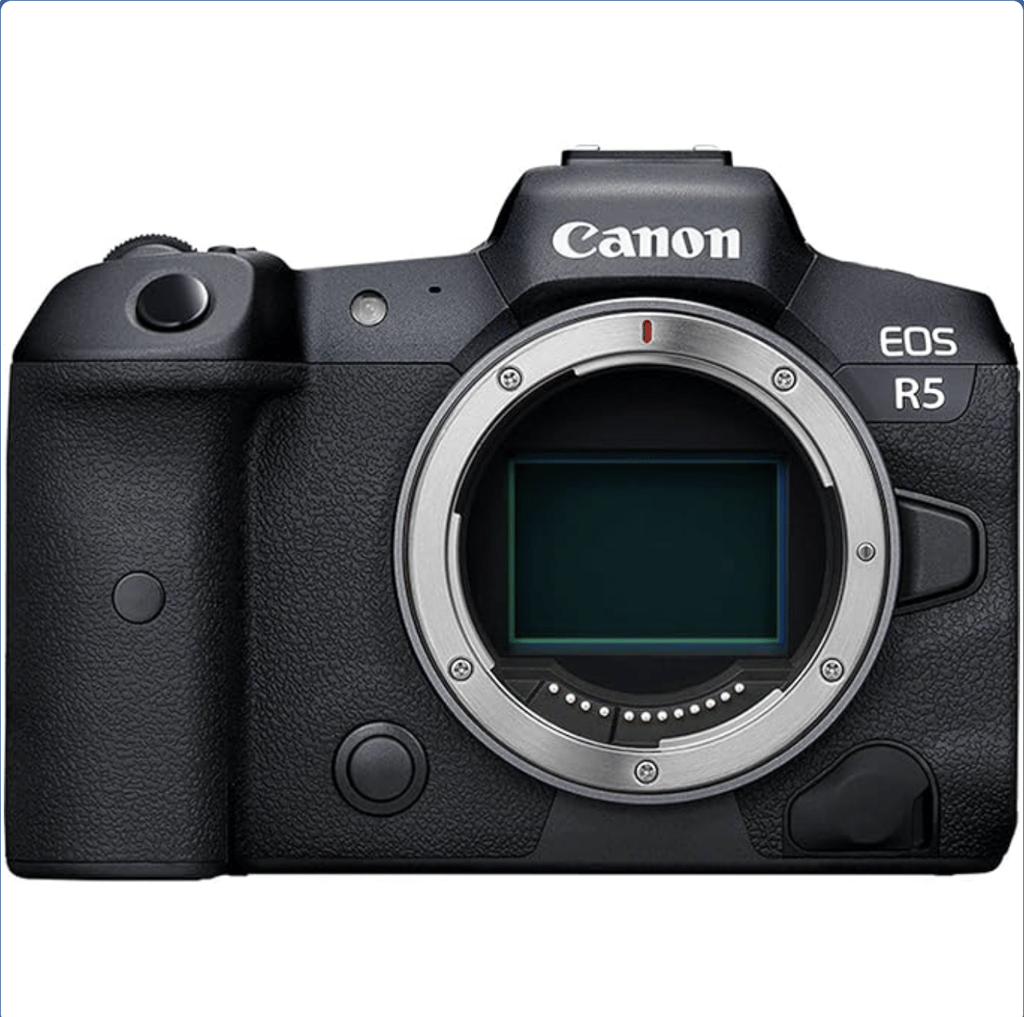
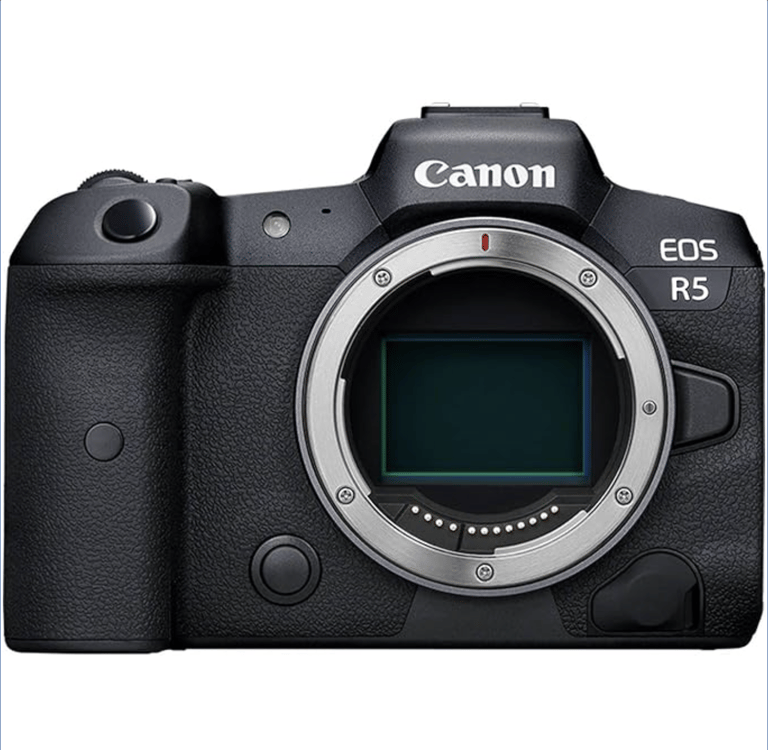
Canon EOS R5
A high‑resolution full‑frame mirrorless camera built for demanding environments, with weather sealing and fast autofocus for crisp, expressive imagery in any conditions
JJC ES73B Bayonet Tulip Flower Lens Hood
VANA may make small commissions from links in this article
Not Just A Gallery.
Capturing stunning moments and making artistry a stress free community.
DONATE NOW
INQUIRE
VANAtvp@gmail.com
© 2025. All rights reserved.