Subscribe to our newsletter for more updates

80% of Photography Basics You Need to Know
Blog post description.
5 min read
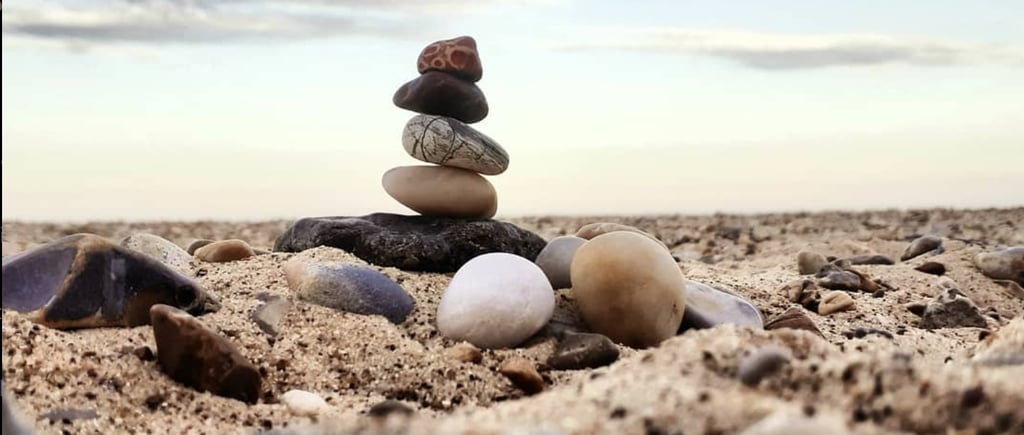

A Simple Guide for Seeing the World With Intention. The Vana Way.
Photography isn’t just a technical craft. It’s a way of noticing and slowing down long enough to witness the quiet details most people rush past.
At The Vana Project, photography is more than capturing an image. It’s an act of connection: to nature, to story, to the small truths that live in light and shadow.
If you’re just starting out, the world of photography can feel overwhelming. Aperture. ISO. Shutter speed. Lenses. Composition. Lighting.
But here’s the secret:
You don’t need to master everything to create meaningful images.
You just need to understand the essentials, the 20% that unlocks 80% of your growth.
This guide gives you those fundamentals, wrapped in the gentle, nature-rooted philosophy that guides Vana’s creative work.
1. The Exposure Triangle
Your Foundation for Creative Freedom
Every photograph, whether it’s a misty woodland scene or a portrait bathed in window light, is shaped by three settings:
Aperture
Shutter Speed
ISO
Together, they determine not just brightness, but mood, texture, and emotion.
Aperture (f-stop)
Aperture controls how wide your lens opens, shaping depth and softness.
Low f-number (f/1.8, f/2.8)
→ More light
→ Dreamy, blurred backgrounds
→ Perfect for intimate portraits or isolating a single leaf in a forestHigh f-number (f/8, f/11, f/16)
→ Less light
→ Everything sharp
→ Ideal for landscapes, seascapes, and storytelling scenes
Vana Tip:
Use aperture to guide the viewer’s attention. Let softness create emotion; let sharpness create clarity.
Shutter Speed
Shutter speed determines how motion appears in your image.
Fast shutter (1/1000, 1/500)
→ Freezes action
→ Great for wildlife, waves, or wind-blown petalsSlow shutter (1/30, 1/10, 1 sec)
→ Motion blur
→ Perfect for waterfalls, clouds, or the gentle sweep of grasses
Vana Tip:
Motion is a story. Decide whether you want to freeze it or let it flow.
ISO
ISO controls your camera’s sensitivity to light.
Low ISO (100–200)
→ Clean, crisp images
→ Best for daylight or bright scenesHigh ISO (1600–6400+)
→ Useful in low light
→ Adds grain — which can feel atmospheric when used intentionally
Vana Tip:
Grain isn’t the enemy. Sometimes it adds soul, especially in moody, low-light nature scenes.
2. How These Three Work Together
Photography Is a Balancing Act
Change one setting, and the others must shift to maintain exposure.
Example:
If you open your aperture for a soft, dreamy portrait, you may need a faster shutter speed or lower ISO.
This dance is the heart of photography and once you feel it, everything becomes intuitive.
3. Step Away From Auto Mode
Take Back Creative Control
Auto mode guesses.
You create.
Instead, try:
Aperture Priority (A / Av) - You choose depth of field
Shutter Priority (S / Tv) - You choose motion
Manual Mode (M) - You choose everything
Vana Tip:
Start with Aperture Priority. Depth of field is one of the most expressive tools in storytelling.
Image credit: Aperture
4. Composition: The Art of Intentional Seeing
Technical skill makes a photo correct.
Composition makes it compelling.
Rule of Thirds
The rule of thirds divides a photograph into three equal sections both horizontally and vertically, forming a 3x3 grid. The four points where the lines intersect are considered the most visually appealing spots to place subjects or important elements of your scene. This technique guides the viewer’s eye naturally and prevents images from feeling static or centred. Place your subject along the grid lines to create balance and flow.
Leading Lines
Leading lines are lines within a photograph, real or implied, that direct attention toward the main subject or into the scene. These lines can be straight, curved, diagonal, or converging, and they help create a sense of direction and movement in the image. Use paths, rivers, branches, or shadows to guide the eye.
Photo credit: Leading Lines & J.PierrePhotography
Natural Framing
Shoot through leaves, windows, or archways to add depth and narrative.
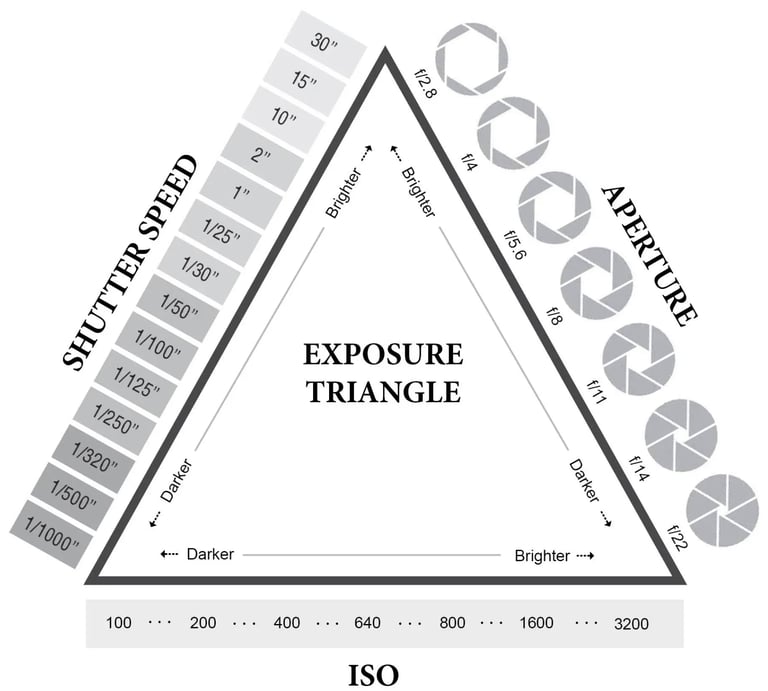
Image Credit: Light Stalking
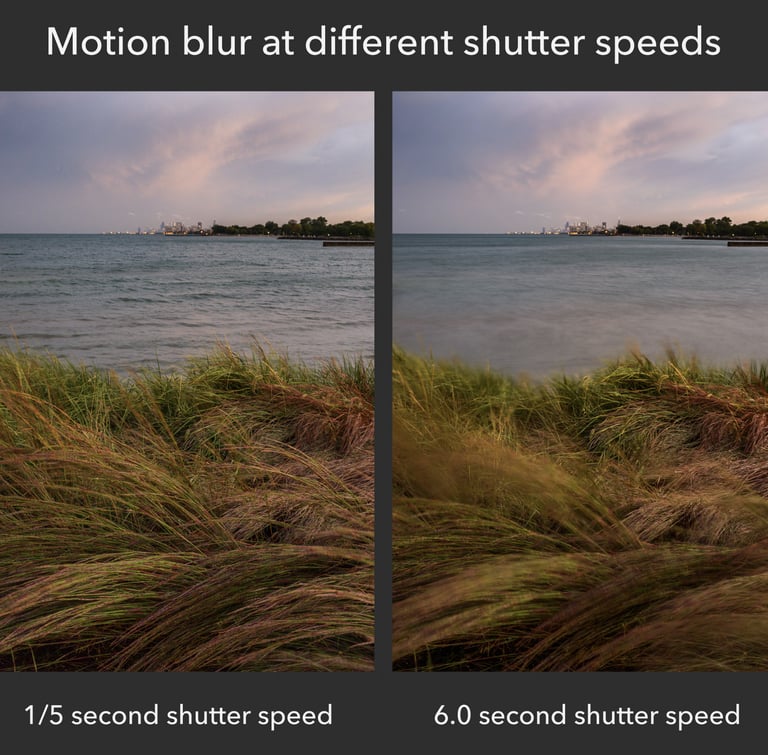
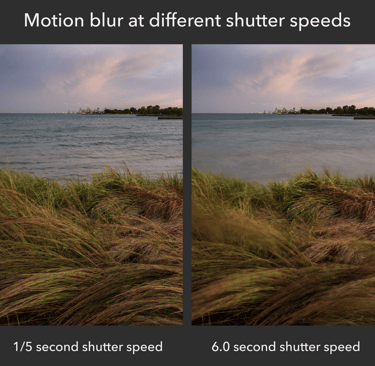
Image Credit: Photographylife
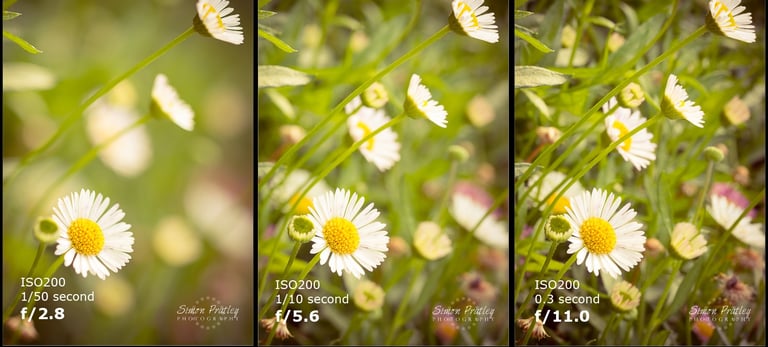
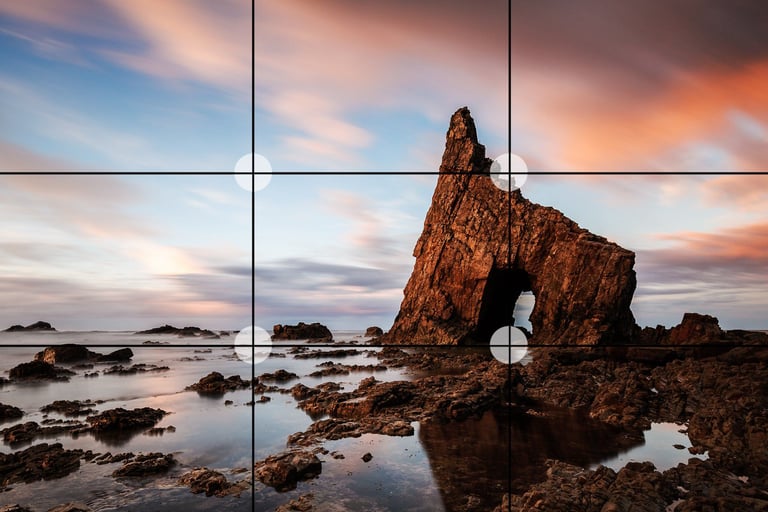
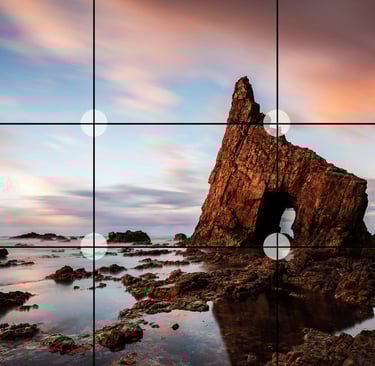
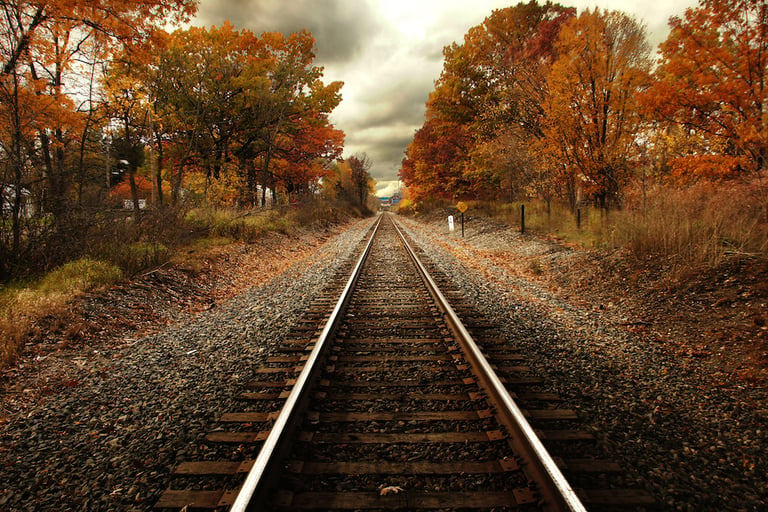
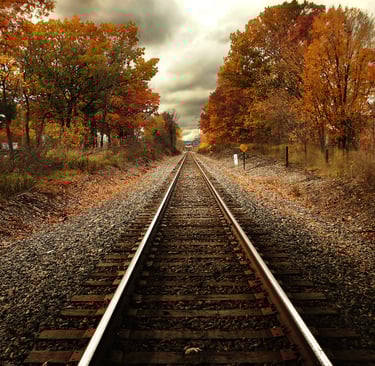
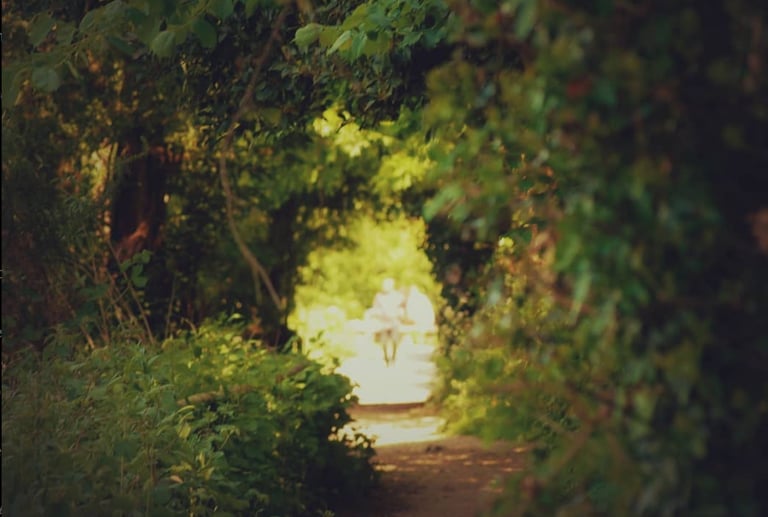
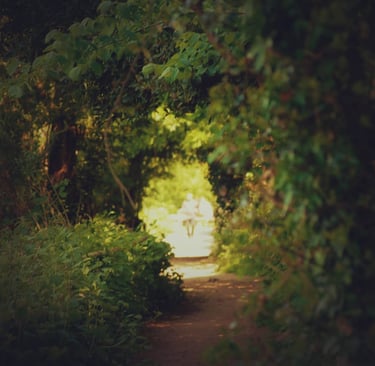
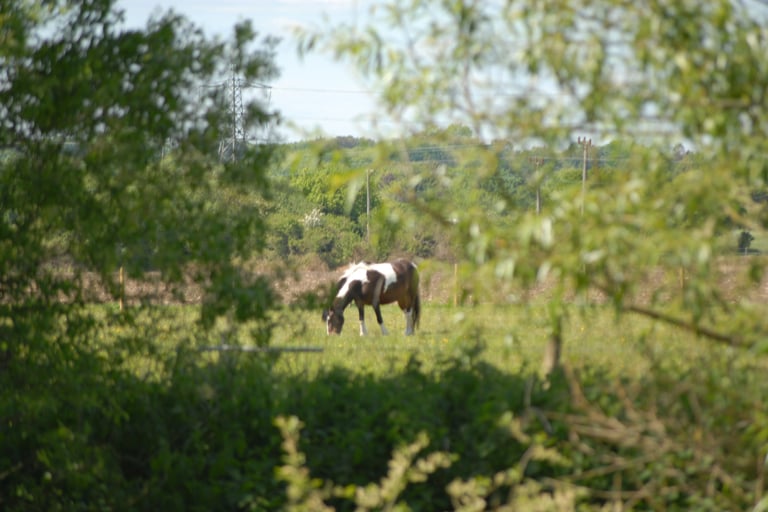
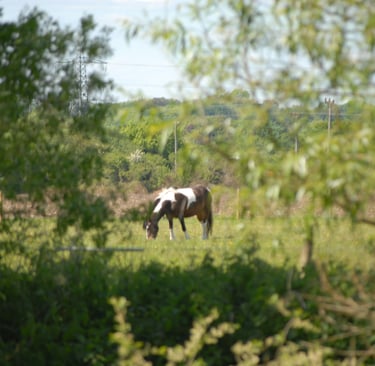
Photo Credit: Rule of Thirds
🌿 Change Your Perspective
Crouch low. Shoot from above. Step closer.
The world transforms when you shift your viewpoint.
Vana Tip:
Composition is storytelling. Ask yourself: What emotion do I want the viewer to feel?
5. Light Is Everything
(Photography Literally Means “Painting With Light”)
Light shapes mood, texture, and meaning.
🌅 Golden Hour
Soft, warm, forgiving.
Perfect for portraits, landscapes, and anything poetic.
☀️ Midday Light
Harsh, contrast-heavy.
Challenging — but dramatic when used intentionally.
💡 Indoor Light
Window light is magic.
Side lighting adds depth.
Avoid overhead lighting when possible.
Vana Tip:
Before you lift your camera, pause and observe the light. Let it guide your choices.
6. Focus on Your Subject
(Clarity Creates Impact)
A powerful image knows what it’s about.
To strengthen your storytelling:
Move closer
Simplify the background
Remove distractions
Use depth of field intentionally
Vana Tip:
If everything is important, nothing is important. Choose your subject with intention.
7. Gear Doesn’t Make the Artist
(Your Vision Matters More Than Your Equipment)
You don’t need the newest camera or the most expensive lens.
You need:
Curiosity
Awareness of light
Understanding of exposure
A willingness to experiment
Some of the most soulful images are created with entry-level gear — or even phones.
Vana Tip:
Your eye is your greatest tool. Your camera simply follows.
8. Practice With Purpose
(Growth Comes From Intentional Exploration)
Try exercises like:
Photographing the same subject at different apertures
Capturing motion with various shutter speeds
Shooting only during golden hour for a week
Creating a mini-series around a single natural element (water, bark, shadows)
Vana Tip:
Let practice be playful. Curiosity fuels creativity.
9. The Vana Growth Formula
(A Gentle Path to Becoming a Confident Photographer)
Learn the exposure triangle
Shoot in Aperture Priority
Study light daily
Simplify your compositions
Practice with intention
Stay connected to nature and story
This is how you grow — not through perfection, but through presence.
Final Thoughts
(Photography as a Way of Seeing)
Photography isn’t about memorising settings.
It’s about:
Observing light
Feeling the moment
Framing with intention
Telling stories that matter
Connecting with the world around you
Master these fundamentals, and you’ll move beyond “beginner” faster than you expect.
At The Vana Project, we believe the camera doesn’t create the image —
you do.
Your attention.
Your presence.
Your way of seeing.
That’s where the magic lives.here...
Not Just A Gallery.
Capturing stunning moments and making artistry a stress free community.
DONATE NOW
INQUIRE
VANAtvp@gmail.com
© 2025. All rights reserved.